SC Issues Key Guidelines on Arrests for Offences Punishable Up to 7 Years

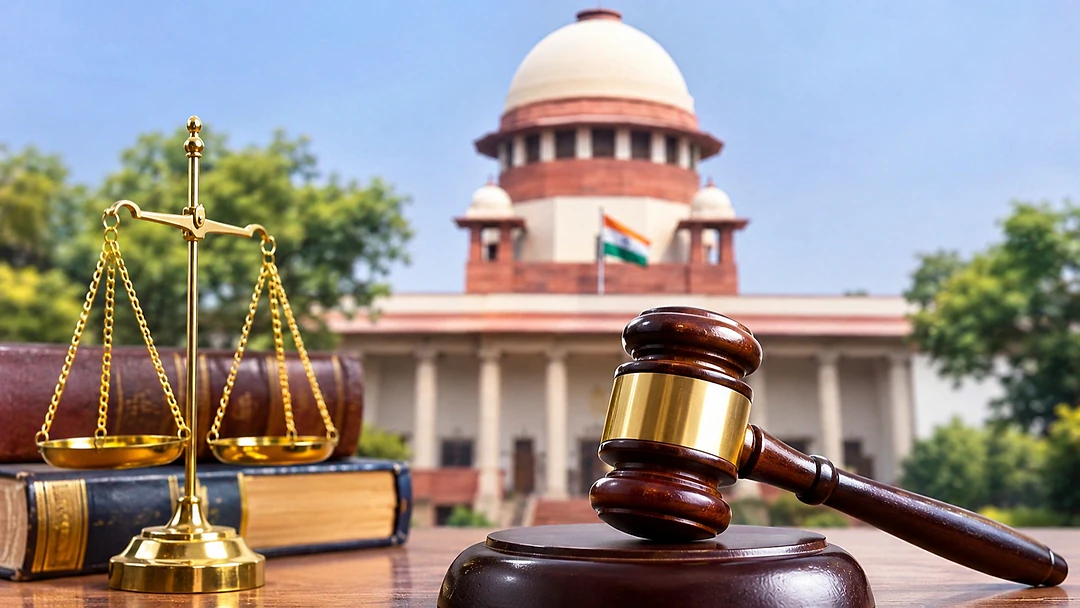
• 1. Supreme Court delivers key judgment on arrests in cases punishable by up to seven years
• 2. Notices must be issued first: Supreme Court gives clear directions to police
• 3. Arrest should be the last resort: Protection for citizens' personal liberty
• News Report:
Hyderabad, Nipun News:
The Supreme Court delivered a key judgment stating that the police should not immediately make arrests in cases related to offences punishable by up to seven years of imprisonment. It clarified that issuing a notice to the accused first and asking them to appear for questioning is the standard legal procedure in such cases. It mentioned that arrests should be carried out only under mandatory circumstances. To this extent, it disclosed crucial guidelines while explaining the provisions of Section 35 of the Bharatiya Nagarik Suraksha Sanhita (BNSS).
The Supreme Court passed this judgment on January 15, 2026, in the case of Satender Kumar Antil versus Central Bureau of Investigation. In this judgment registered as 2026 INSC 115, it clarified that issuing a notice under BNSS Section 35(3) regarding offences punishable up to seven years must be the general rule, while arrest must be an exception.
• What are the grounds for arrest?
According to BNSS Section 35(1)(b), police can make an arrest only under certain special circumstances. They are: - When it is necessary to prevent the accused from committing any further offence. - When arrest is necessary for the proper investigation of the case. - When it is necessary to prevent the accused from disappearing or tampering with evidence related to the offence. - When it is necessary to prevent the accused from threatening, alluring, or influencing witnesses. - When the accused is likely to abscond without appearing before the court. If the police feel that an arrest is necessary under such circumstances, they must record the reasons for it in writing. The court clarified that arresting someone merely because a case has been registered is not the correct procedure.
• What should those who receive notices do?
If the police issue a notice under BNSS Section 35(3), the person concerned must appear for inquiry at the date, time, and place specified in it. They must abide by the conditions of the notice and cooperate with the investigation. A person who is cooperating with the inquiry should not ordinarily be arrested. However, if an arrest is deemed essential in further investigation, the police will have to record appropriate reasons and comply with legal provisions.
Furthermore, the law does not say that an arrest should be made automatically even if someone ignores the notice and fails to appear for inquiry. Even in such cases, the police must examine whether an arrest is necessary or not.
• Protection of people's personal liberty
The Supreme Court noted in its judgment that it is not right to immediately arrest a person just because allegations have been made against them. It explained that arrest is not required every time to continue a criminal investigation, and that evidence can be collected and the inquiry continued without making an arrest. It made it clear that protecting personal liberty and the rights guaranteed by the Constitution is the responsibility of the police.
Overall, issuing a notice under BNSS Section 35(3) in offences punishable up to seven years is the general rule, whereas making an arrest is only an exception. The Supreme Court clarified that the police must strictly follow these provisions.
ఆధారం: Nittala venkata Veerabhadra subrahmanyam
Written with AI assistance from our reporter’s notes, then checked and published by an editor.
Related stories

Woman Worker Killed in Drum Explosion at Heritage Foods in Uppal IDA
 Raghavandra kagithaCrimeChintalapudi
Dawood Ibrahim Aide Durrani Killed in Encounter by Noida STF and Delhi Police
 బండారు అజయ్ కుమార్CrimeAllagadda
Police Solve Kidnapping of 2.5-Year-Old Child Within 12 Hours in Ameenpur
 SSKCrimeJinnaram
Nizamabad POCSO Court Sentences Man to Life Imprisonment for Rape of Minor
 MukeshCrimeArmur
Hyderabad Youth Shot Dead Accidental Gunfire by Brother in New York
Crime
Snapchat Drug Racket Busted in Hyderabad
Raghavandra kagithaCrimeChintalapudi
Woman Worker Killed in Drum Explosion at Heritage Foods in Uppal IDA
Raghavandra kagithaCrimeChintalapudi
Dawood Ibrahim Aide Durrani Killed in Encounter by Noida STF and Delhi Police
బండారు అజయ్ కుమార్CrimeAllagadda
Police Solve Kidnapping of 2.5-Year-Old Child Within 12 Hours in Ameenpur
SSKCrimeJinnaram
Nizamabad POCSO Court Sentences Man to Life Imprisonment for Rape of Minor
MukeshCrimeArmur
Hyderabad Youth Shot Dead Accidental Gunfire by Brother in New York
Crime
Snapchat Drug Racket Busted in Hyderabad
Raghavandra kagithaCrimeChintalapudi
Latest news
- Tension in Mukkampadu as Man Destroys YSRCP Lunch Event Food; Police Detain Suspect

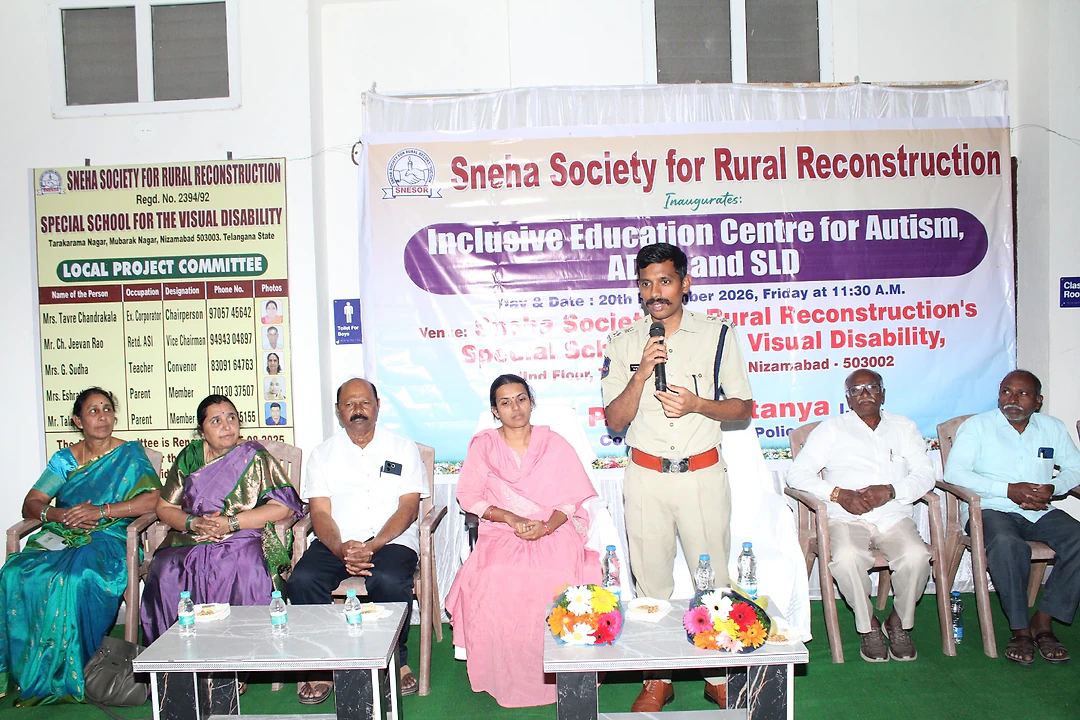
- Inclusive Education Centre for Persons with Disabilities Inaugurated in Nizamabad
- Standard iPhone 18 Launch Delayed to March 2027, Price May Touch Rs 1 Lakh

- Daily Panchangam Details for Sunday, November 22

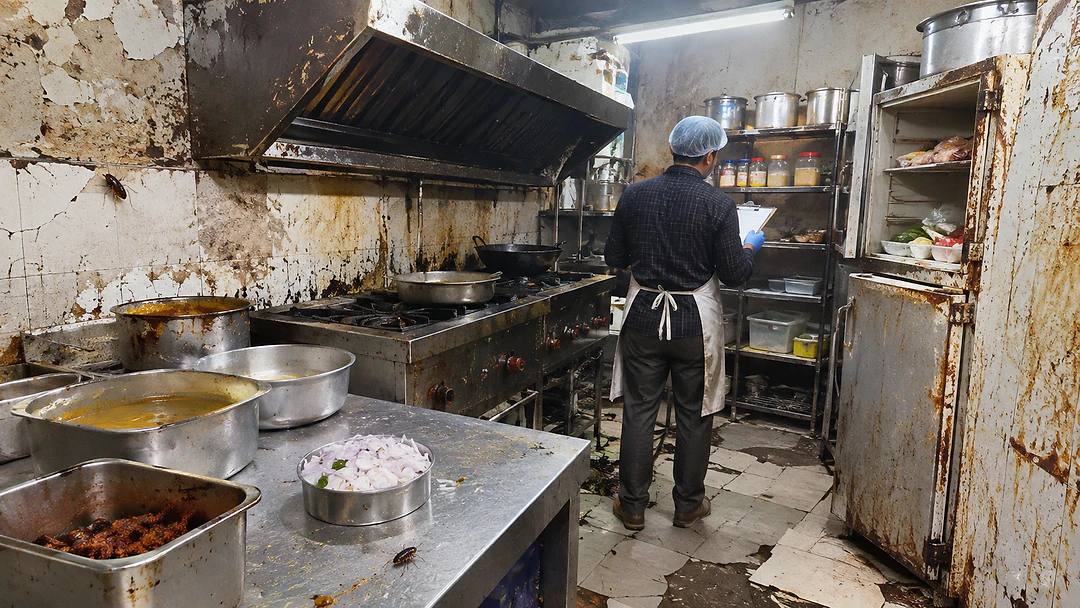
- TG SAFE Suspends Licenses of Four Hyderabad Hotels Over Unhygienic Conditions
- Gold Worth Rs 1.37 Crore Seized at Shamshabad Airport

Most read
- 1Rashtriya Hindu Parishad Demands Reopening of Closed Temple in Hanumakonda
- 2Devarakonda MLA Balu Naik Urges DGP CV Anand to Set Up New Police Stations
- 3Theft at Gauramma Temple in Narsipuram Colony, Property Worth Rs 50,000 Stolen
- 4RTI Service Society Honors State Information Commissioner Deshala Bhupal
- 5CM Revanth Reddy Expresses Concern Over Lok Sabha Delimitation Process