Is Merging Intermediate Education into School Education Department Justified?
School Education up to Class 12.. Opportunity to Benefit Rural Students | Hopes for Dropout Prevention, Reduced Corporate College Pressure
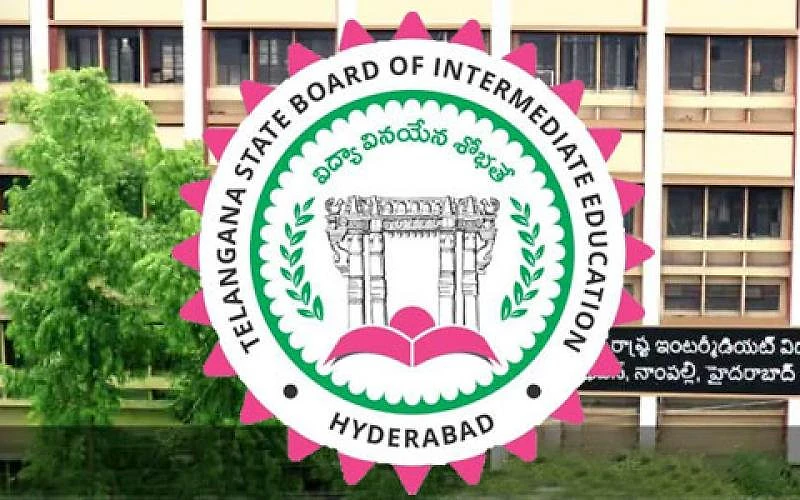
The Telangana government's decision to merge intermediate education into the school education department has become a topic of discussion in the education sector. Although various opinions are being expressed regarding the government's plan to implement this policy from the coming academic year, several people view it as a key reform in education. Rather than abolishing Classes 11 and 12, the primary objective appears to be continuing them as an integral part of the school education system.
Unified Educational System up to Class 12
There is a proposal to divide the education system into primary education from Nursery to Class 4, secondary education from Class 5 to 8, and higher secondary education from Class 9 to 12. Currently, Kendall Vidyalayas and Navodaya Vidyalayas provide education up to Class 12 within a single school system. Intermediate classes are also being conducted in several government residential educational institutions across Telangana. In this context, experts in the education sector feel that merging intermediate into the school education department is not merely a new experiment.
How Did the Intermediate Education System Come About?
The 10+2+3 system was introduced with the objective of bringing uniformity to the education system across the country. Under this, two years of intermediate education follow Class 10, followed by degree education. In combined Andhra Pradesh, the two-year intermediate system came into effect from the 1969-70 academic year. However, opinions are being expressed that changes are needed in this system in view of evolving educational requirements, social conditions of students, and educational reforms.
It is also mentioned that the Telangana Education Commission 2026 report recommended merging intermediate education into school education.
Education Accessible to Rural Students
Continuing intermediate education within schools is likely to benefit students in rural areas. Currently, as government schools in many villages exist only up to Class 10, students are forced to travel to nearby towns or mandal headquarters to pursue further studies. Due to travel expenses, accommodation issues, and financial constraints, students—especially from poor families—face situations leading to dropouts.
If education up to Class 12 becomes available within rural areas to address this problem, it is likely to benefit girls, as well as Dalit, Tribal, Minority, and economically backward category students. However, statistics cited regarding the dropout rate after Class 10 need to be verified with official education department reports.
Will a Solution Be Found for Corporate College Pressures?
Criticism exists that currently some private and corporate junior colleges exert severe pressure on students to achieve high marks and ranks in entrance examinations. The increasing academic burden on students, alongside lack of adequate importance for sports, cultural activities, and personality development, is causing concern.
Students face continuous academic stress due to excessive focus particularly on coaching for competitive exams like NEET and JEE. As a result, situations where students suffer from problems like mental stress and anxiety are visible. In this context, opinions exist that if a balanced educational system is implemented right from the school level, opportunities can be provided for sports, arts, and personality development along with studies.
Strengthening Government Schools Is Key
Merging intermediate education into the school education department alone is not the solution to all problems. Necessary infrastructure must be created in government schools to conduct Classes 11 and 12. Science labs, computer labs, libraries, and adequate classrooms must be established particularly. Subject-wise expert teachers must be appointed.
Similarly, the government must formulate clear guidelines ensuring that job security, promotions, and service benefits of lecturers working in government junior colleges are not adversely affected.
Changes Needed in Examination System Too
There is a need to bring changes in the examination system to encourage students' understanding, analytical ability, practical skills, and research thinking, rather than assessing their merit based solely on marks. The government should take steps toward providing quality education while reducing unnecessary stress on students.
Implementation Is the Real Challenge
For the decision to merge intermediate education into school education to yield good results, clarity must first be brought regarding teacher recruitment, infrastructure, curriculum, examination system, and service rules of lecturers. This reform will gain real value if government schools, especially in rural areas, are strengthened to offer quality education up to Class 12 free of cost or at affordable costs to poor students.
Overall, the main intent behind this proposal is not to abolish intermediate education, but to make education more accessible and comprehensive for students by making it a part of school education. However, for the decision to be successful, robust implementation on the ground is required rather than remaining limited to announcements. Government schools must be strengthened, and quality education must reach children of ordinary families. Only then will this educational reform deliver the expected results.
ఆధారం: Velakam Ramudu
Written with AI assistance from our reporter’s notes, then checked and published by an editor.
Related stories
Bhubaneswar Doordarshan Invites Applications for Various Casual Posts
 Mukkamalla Haroon BashaJobsSirivella
Steps Being Taken Towards Notification for 2,000 Home Guard Posts in Telangana
 M.A.KHADER ANSARIJobsHyderabad
 📷 2
Around 40 HCU Students Fall Ill Due to Suspected Food Poisoning
 SSKJobsJinnaram
Central Railway Recruitment 2024: 2,861 Apprentice Posts Announced
Mukkamalla Haroon BashaJobsSirivella
AP Hikes Swarna Grama and Ward Secretariat Coordinators' Salaries by 23%
 Shaik.khadar valliJobsKalasapadu
Parvathagiri School Students Take Water Conservation Pledge
Students at the Mandal Parishad Primary School in Parvathagiri took a pledge on water conservation.
 Suresh ChinthakayalaJobsParvathagiri
Bhubaneswar Doordarshan Invites Applications for Various Casual Posts
Mukkamalla Haroon BashaJobsSirivella
Steps Being Taken Towards Notification for 2,000 Home Guard Posts in Telangana
M.A.KHADER ANSARIJobsHyderabad
Around 40 HCU Students Fall Ill Due to Suspected Food Poisoning
SSKJobsJinnaram
Central Railway Recruitment 2024: 2,861 Apprentice Posts Announced
Mukkamalla Haroon BashaJobsSirivella
AP Hikes Swarna Grama and Ward Secretariat Coordinators' Salaries by 23%
Shaik.khadar valliJobsKalasapadu
Parvathagiri School Students Take Water Conservation Pledge
Suresh ChinthakayalaJobsParvathagiri
Latest news
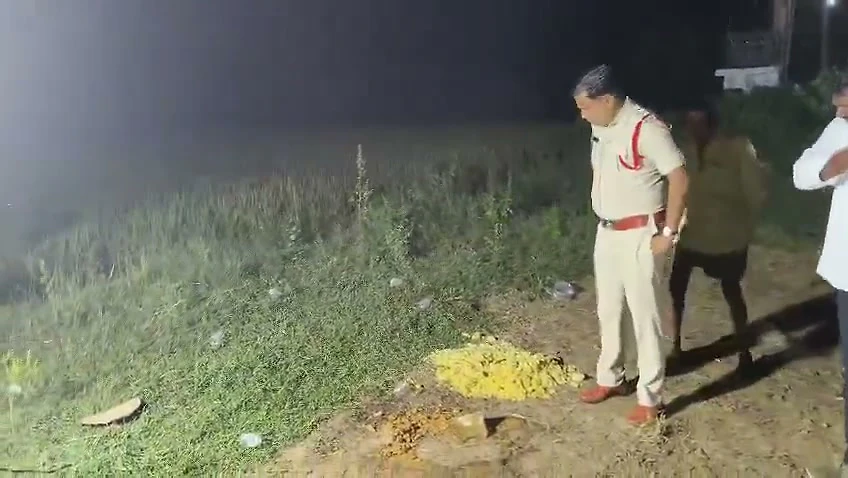
- Tension in Mukkampadu as Man Destroys YSRCP Lunch Event Food; Police Detain Suspect
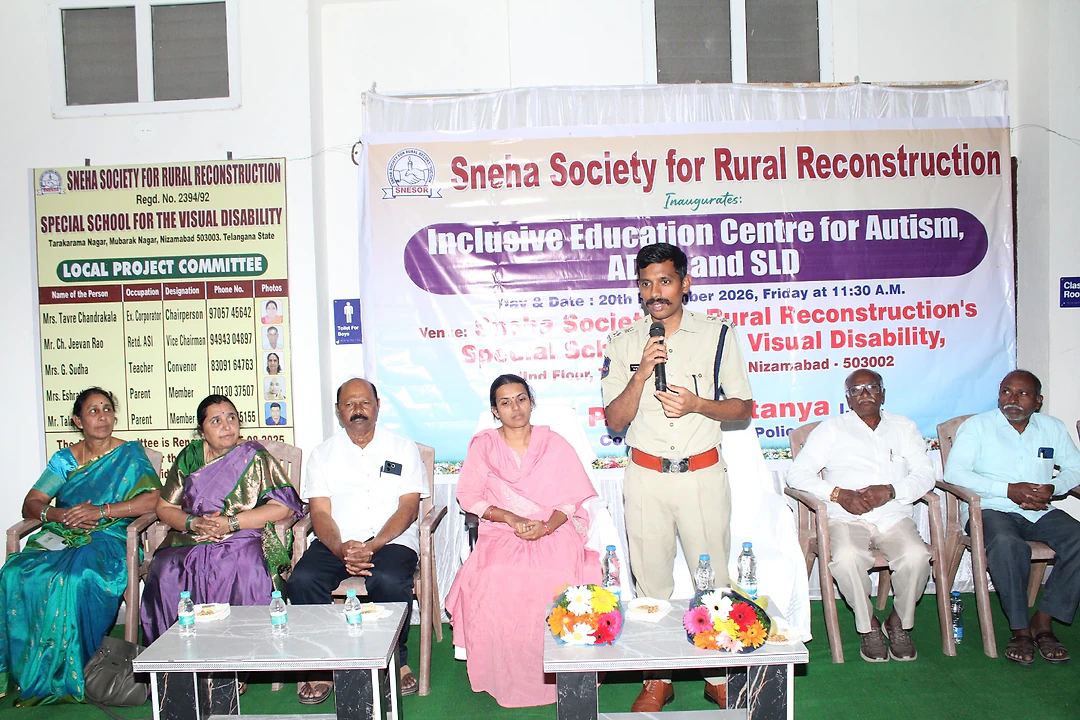
- Inclusive Education Centre for Persons with Disabilities Inaugurated in Nizamabad
- Standard iPhone 18 Launch Delayed to March 2027, Price May Touch Rs 1 Lakh

- Daily Panchangam Details for Sunday, November 22

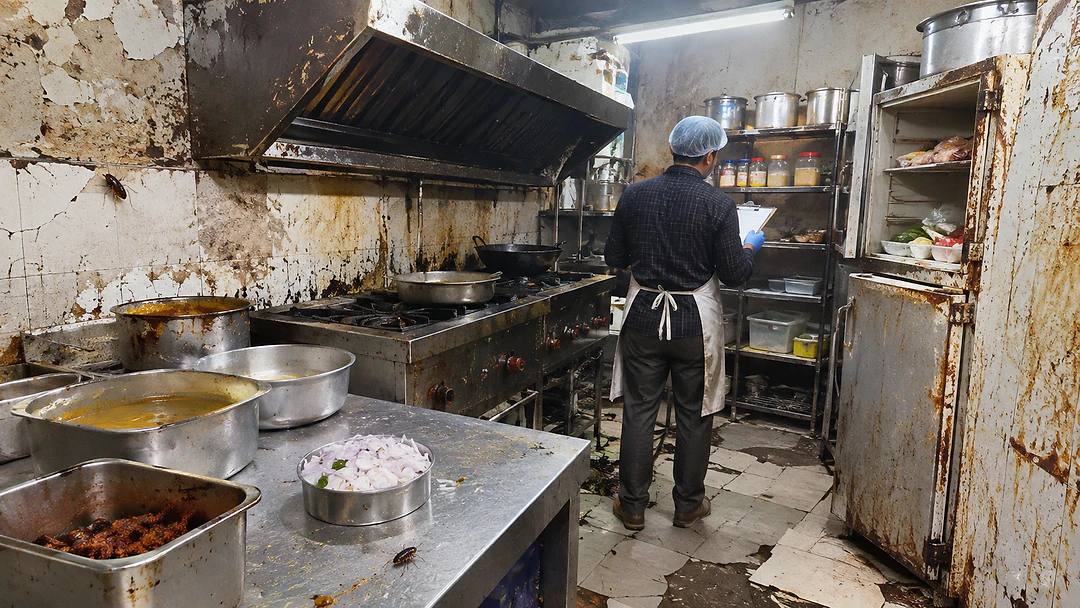
- TG SAFE Suspends Licenses of Four Hyderabad Hotels Over Unhygienic Conditions
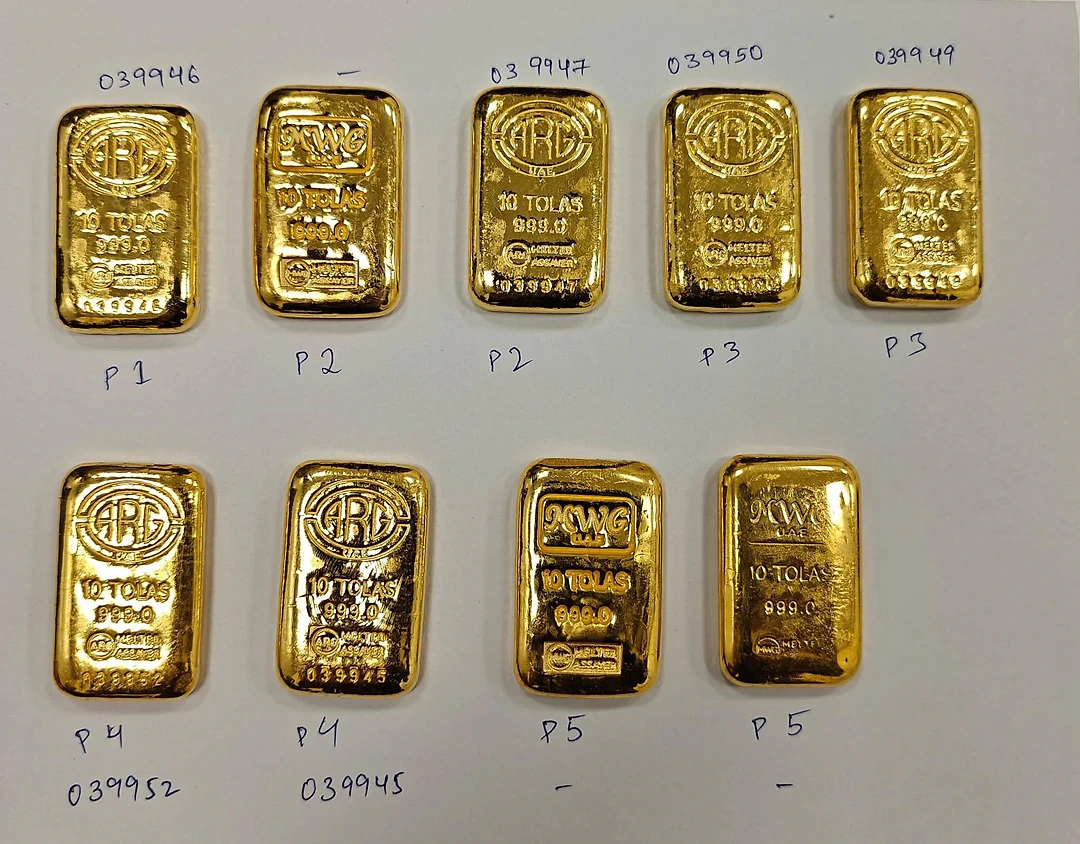
- Gold Worth Rs 1.37 Crore Seized at Shamshabad Airport
Most read
- 1Rashtriya Hindu Parishad Demands Reopening of Closed Temple in Hanumakonda
- 2Devarakonda MLA Balu Naik Urges DGP CV Anand to Set Up New Police Stations
- 3Theft at Gauramma Temple in Narsipuram Colony, Property Worth Rs 50,000 Stolen
- 4RTI Service Society Honors State Information Commissioner Deshala Bhupal
- 5CM Revanth Reddy Expresses Concern Over Lok Sabha Delimitation Process