
Reduce Paddy Cultivation in Yasangi, Grow Irrigated Dry Crops: Warangal Agriculture Offici

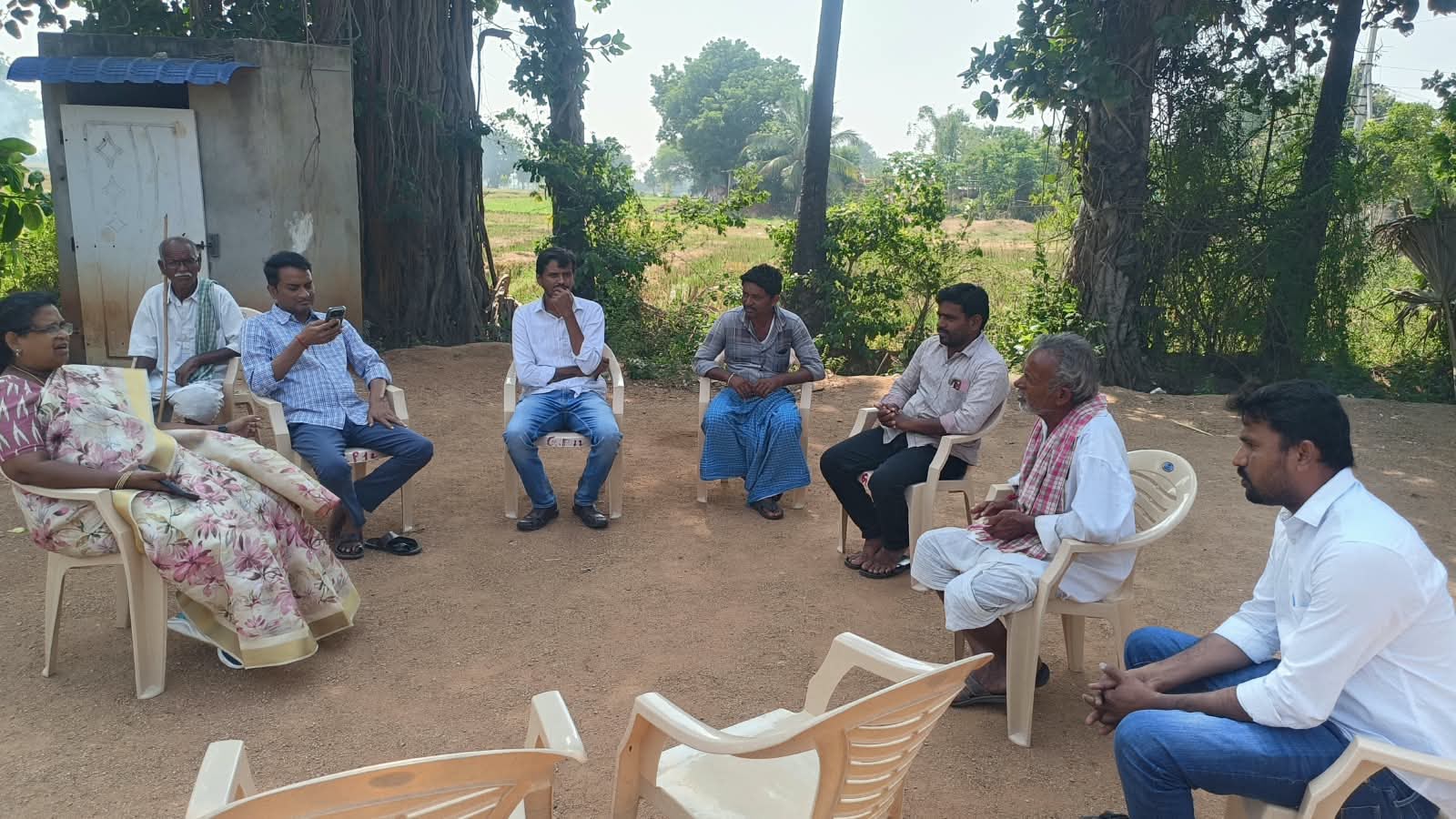
ATMA Project Director Vijayanirmala and Vardhanapet Division Assistant Director of Agriculture (ADA) Narsingam conducted field visits in Ainagallu and Dubba Thanda villages of Warangal district. On this occasion, they gave several suggestions to the farmers. ATMA Project Director Vijayanirmala clarified to the farming community that paddy cultivation should be reduced in the upcoming Yasangi season due to El Niño conditions.
Vijayanirmala stated that groundwater levels in Parvathagiri mandal of Warangal district have already dropped by more than 30 feet. She explained that this depth is increasing day by day and canal water for irrigation is also not fully available. Since paddy crop requires a lot of water, she warned that water availability would not be sufficient in the coming days.
**Cultivation of Alternative Crops**
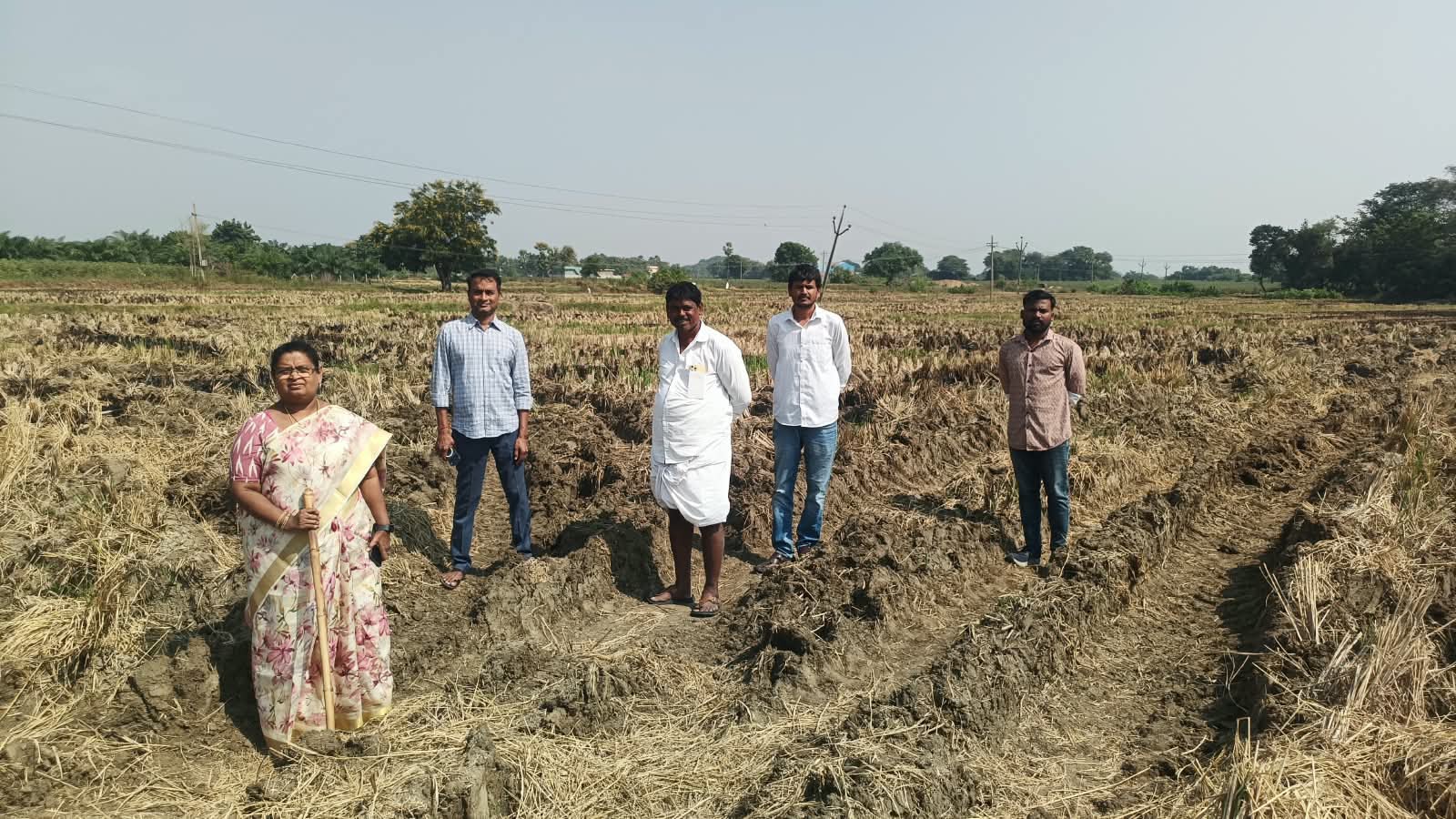
Officials advised farmers to focus on irrigated dry crops requiring less water instead of paddy. They suggested cultivating pulses like greengram, blackgram, and redgram, alongside millets like jowar and ragi. They also explained that farmers should choose oilseeds like sesame and groundnut, as well as vegetables and other low-water-consuming crops.
Compared to paddy, the water requirement for irrigated dry crops is significantly lower. During times of water scarcity and drought conditions, farmers have the opportunity to protect themselves from crop losses by cultivating crops that mature with less water.
**Do Not Burn Crop Residues**
Officials appealed to farmers not to burn Vanakalam crop waste or residues in the fields (stubble burning). They stated that burning waste damages the physical structure of the soil, making it unsuitable for future cultivation. Furthermore, they warned that natural bacteria that enhance soil fertility, friendly insects, and nutrients would be destroyed, alongside causing severe environmental pollution.
Mandal Agriculture Officer Shashikanth, Agricultural Extension Officers Satya Prakash and Ravikumar, Dubba Thanda Sarpanch Dharamsoth Tirupati, along with a large number of farmers from the respective villages, participated in this field visit program.
ఆధారం: Suresh Chinthakayala
Written with AI assistance from our reporter’s notes, then checked and published by an editor.
Related stories
Telangana Ranks First in Oil Palm Cultivation with 21 Percent Share Nationwide
 Ramakrishna GundemeniAgricultureUppunuthala
Paddy Procurement Centres Opened in Ananthasagaram and Jayagiri
Vardhannapet MLA KR Nagaraju inaugurated paddy procurement centres in Ananthasagaram and Jayagiri villages of Hasanparthy mandal.
Suresh ChinthakayalaAgricultureParvathagiri
 📷 2
We Will Block AP's Water Plunder: Telangana Minister Uttam Kumar Reddy
 Shiaik Mohammed RafeeAgricultureHuzurnagar

Hindu Population in India to Reach 129 Crore by 2070: Study
Agriculture
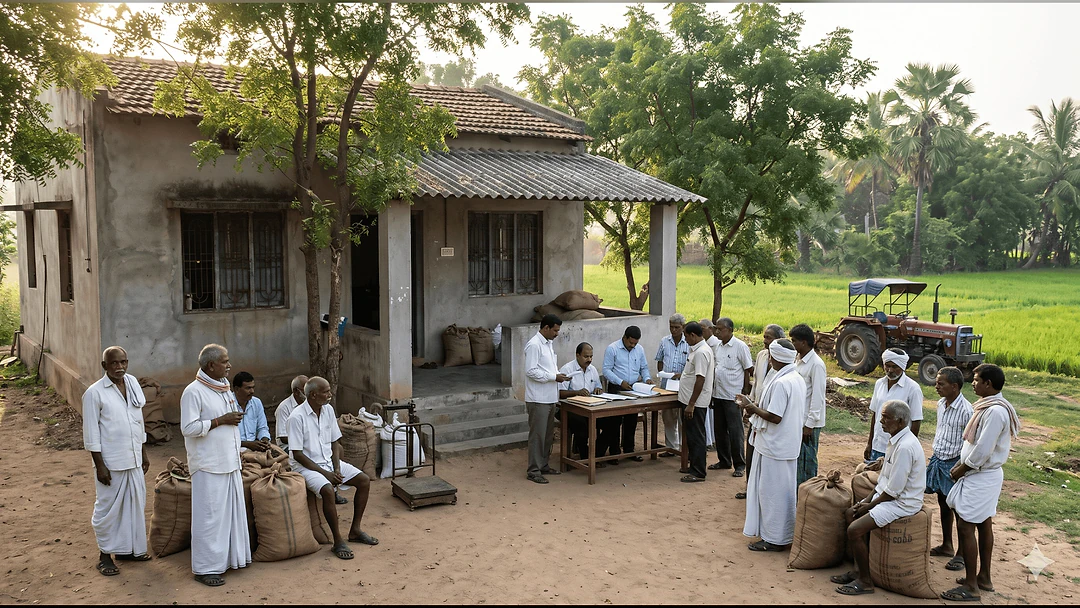
Telangana Government Approves Formation of 240 New PACS across State
Suresh ChinthakayalaAgricultureParvathagiri
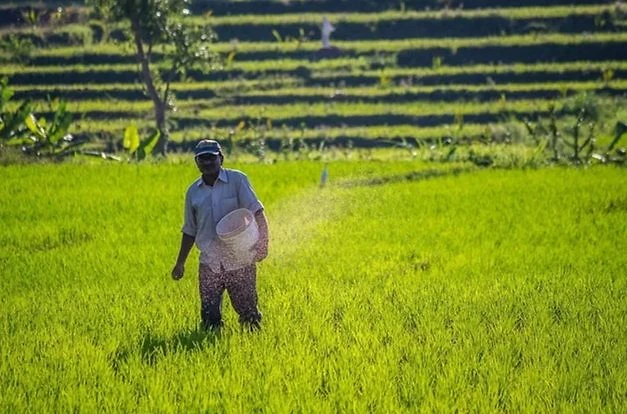
Centre Approves Over Rs 62,000 Crore Subsidy on Rabi Fertilizers
 T AvinashAgricultureVijayawada Central
Telangana Ranks First in Oil Palm Cultivation with 21 Percent Share Nationwide
Ramakrishna GundemeniAgricultureUppunuthala
Paddy Procurement Centres Opened in Ananthasagaram and Jayagiri
Suresh ChinthakayalaAgricultureParvathagiri

We Will Block AP's Water Plunder: Telangana Minister Uttam Kumar Reddy
Shiaik Mohammed RafeeAgricultureHuzurnagar
Hindu Population in India to Reach 129 Crore by 2070: Study
Agriculture
Telangana Government Approves Formation of 240 New PACS across State
Suresh ChinthakayalaAgricultureParvathagiri
Centre Approves Over Rs 62,000 Crore Subsidy on Rabi Fertilizers
T AvinashAgricultureVijayawada Central
Latest news
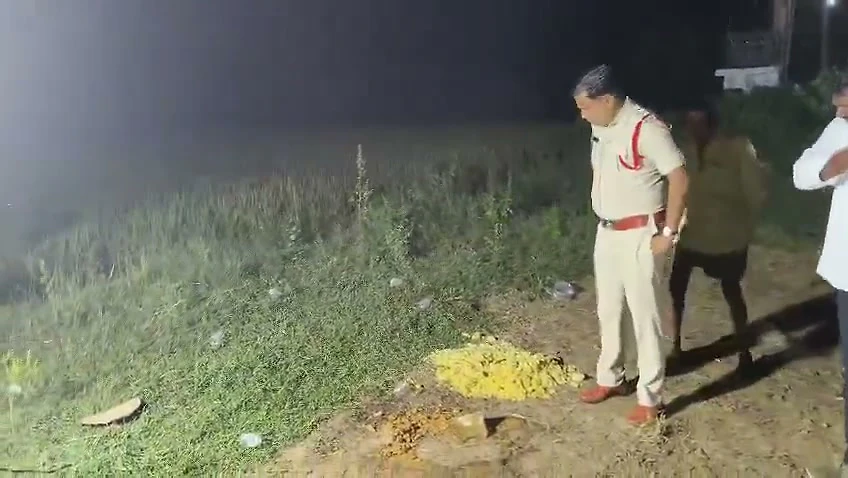
- Tension in Mukkampadu as Man Destroys YSRCP Lunch Event Food; Police Detain Suspect
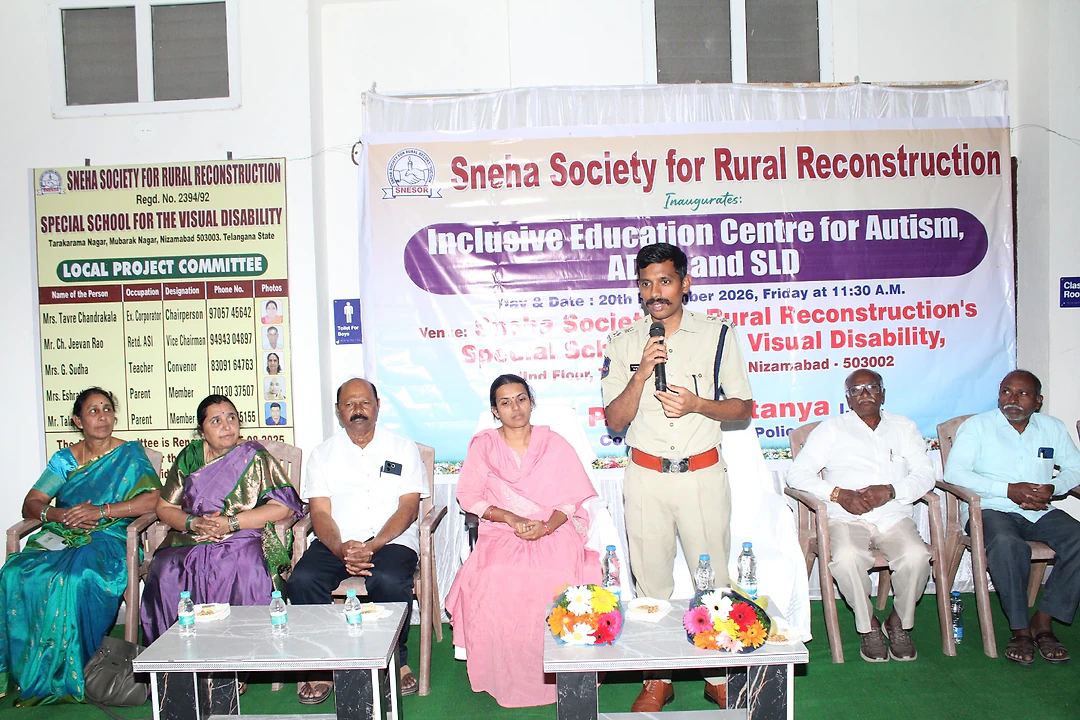
- Inclusive Education Centre for Persons with Disabilities Inaugurated in Nizamabad
- Standard iPhone 18 Launch Delayed to March 2027, Price May Touch Rs 1 Lakh

- Daily Panchangam Details for Sunday, November 22

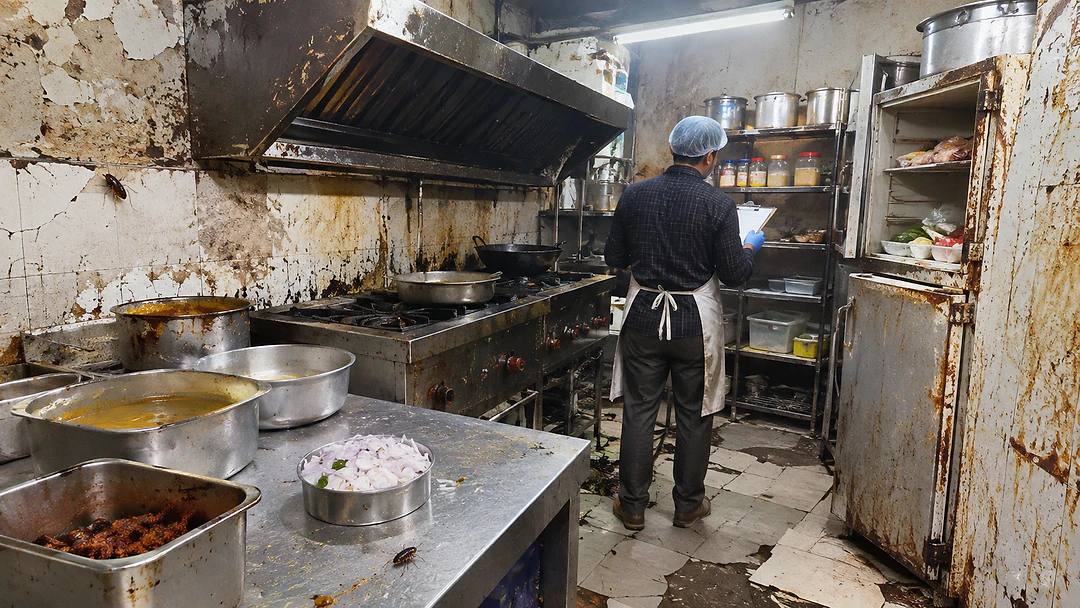
- TG SAFE Suspends Licenses of Four Hyderabad Hotels Over Unhygienic Conditions
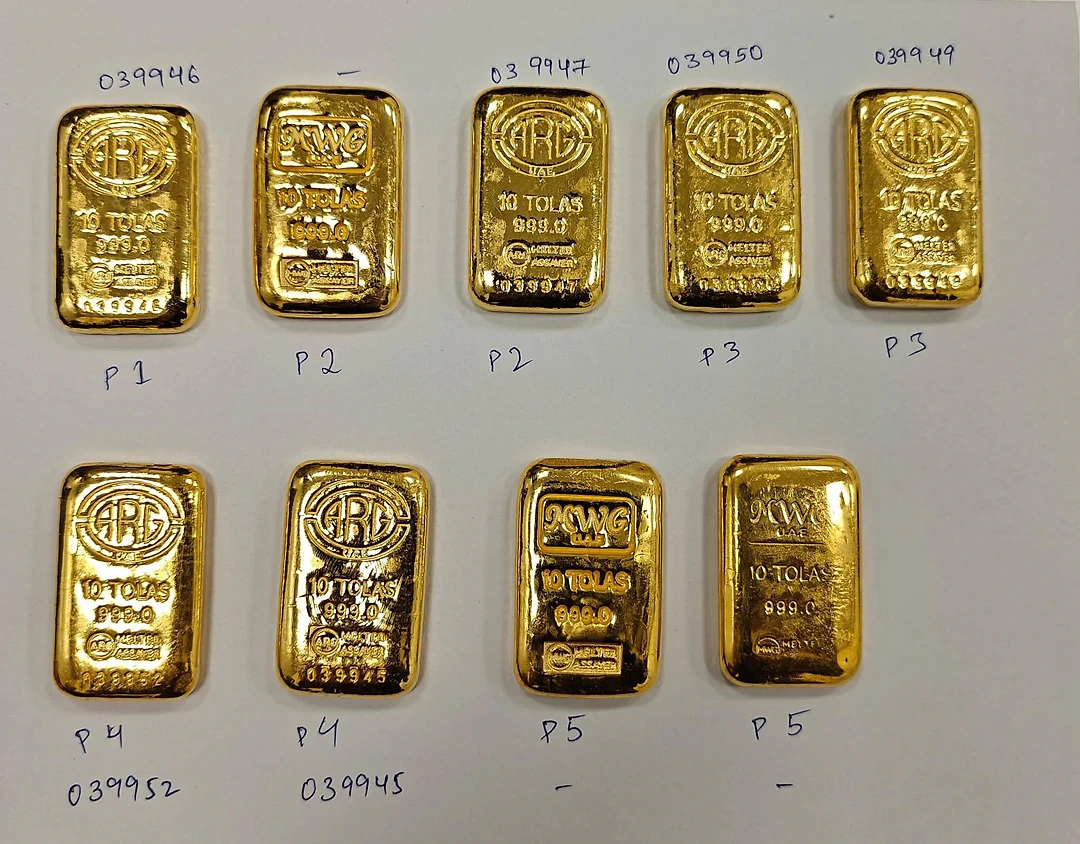
- Gold Worth Rs 1.37 Crore Seized at Shamshabad Airport
Most read
- 1Rashtriya Hindu Parishad Demands Reopening of Closed Temple in Hanumakonda
- 2Devarakonda MLA Balu Naik Urges DGP CV Anand to Set Up New Police Stations
- 3Theft at Gauramma Temple in Narsipuram Colony, Property Worth Rs 50,000 Stolen
- 4RTI Service Society Honors State Information Commissioner Deshala Bhupal
- 5CM Revanth Reddy Expresses Concern Over Lok Sabha Delimitation Process