
Farmers Urged to Remain Vigilant Against Pests in Coconut Orchards

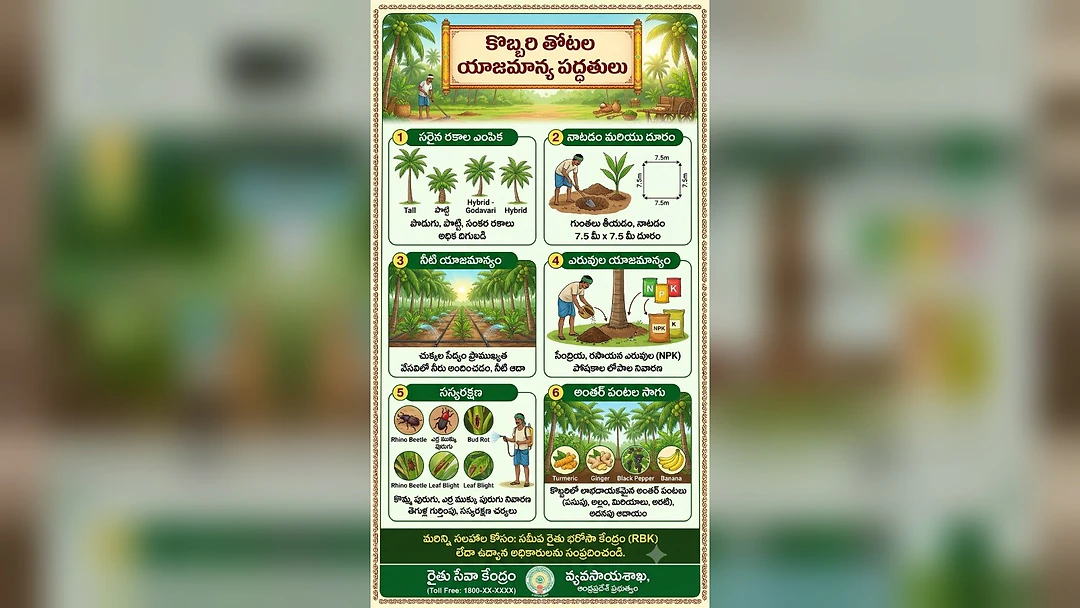
Vigilance against pests in coconut orchards.. Precautions farmers should take for prevention!
Nipun News: Agricultural experts warned that humid weather and heavy rains can increase the prevalence of bud rot disease, rhinoceros beetle, and red palm weevil in coconut orchards. These pests stunt tree growth and adversely affect yield. In this context, experts advised farmers to adopt timely preventive measures.
• Bud Rot Prevention
Rotting of tender leaves in the crown of the tree, foul odor, and leaves pulling out easily are the main symptoms of this disease. Infected portions must be carefully removed and cleaned before applying Bordeaux paste. As a preventive measure, 1 percent Bordeaux mixture can be sprayed. Copper oxychloride should also be used strictly in doses recommended by the Agriculture Department. Drainage channels must be arranged to prevent waterlogging in the orchards.
• Rhinoceros Beetle Control
The rhinoceros beetle bores into the tender fronds in the central crown, causing distinct 'V' shaped cuts when the leaves unfold. The pest intensity can be reduced by applying a mixture of neem cake and sand in a 1:2 ratio into the leaf axils at the crown. If beetles are visible on the trees, they should be carefully extracted using a special hook device.
• Red Palm Weevil Control
Holes forming on the trunk, oozing of a sticky liquid, and chewing sounds coming from inside the trunk indicate the presence of this pest. Care should be taken to avoid injuring the trees. Frond bases should not be cut too close to the trunk. If wounds occur, protective measures must be taken as per agricultural experts' advice. Pheromone traps should be installed where necessary.
• Nutrient Management to Prevent Button Shedding
Coconut palms must be provided with adequate organic manure and balanced nutrients. About 5 kg of neem cake per tree can be applied annually. Nutrients like potash and zinc sulfate should be applied based on soil tests and tree requirements under the advice of agricultural officers. Experts noted that moisture alone may not be the reason for button shedding, and water management, nutrient deficiencies, and pests should also be checked.
• Important Guidelines for Farmers
Coconut plantations should be inspected regularly. As soon as pest symptoms are noticed, local agricultural or horticultural officers must be contacted. Farmers should avoid determining chemical dosage on their own and must strictly follow the instructions of officials and product labels. Experts stated that by taking timely precautions, farmers can safeguard palm health and minimize yield losses.
ఆధారం: V. KISHORE
Written with AI assistance from our reporter’s notes, then checked and published by an editor.
Related stories
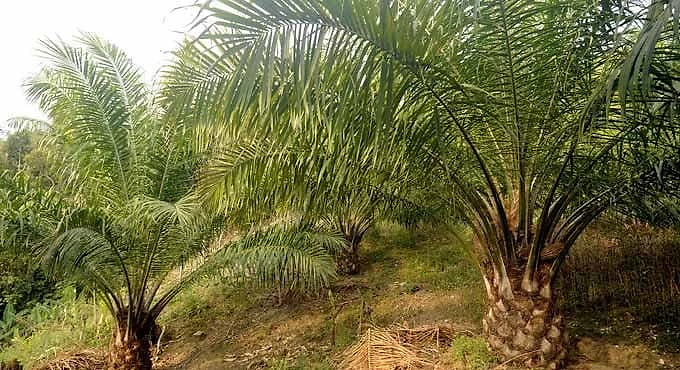
Telangana Ranks First in Oil Palm Cultivation with 21 Percent Share Nationwide
 Ramakrishna GundemeniAgricultureUppunuthala
Paddy Procurement Centres Opened in Ananthasagaram and Jayagiri
Vardhannapet MLA KR Nagaraju inaugurated paddy procurement centres in Ananthasagaram and Jayagiri villages of Hasanparthy mandal.
 Suresh ChinthakayalaAgricultureParvathagiri
 📷 2
We Will Block AP's Water Plunder: Telangana Minister Uttam Kumar Reddy
 Shiaik Mohammed RafeeAgricultureHuzurnagar

Hindu Population in India to Reach 129 Crore by 2070: Study
Agriculture
Reduce Paddy Cultivation in Yasangi, Grow Irrigated Dry Crops: Warangal Agriculture Offici
ATMA Project Director Vijayanirmala and ADA Narsingam visited Ainagallu and Dubba Thanda in Warangal district.
Suresh ChinthakayalaAgricultureParvathagiri
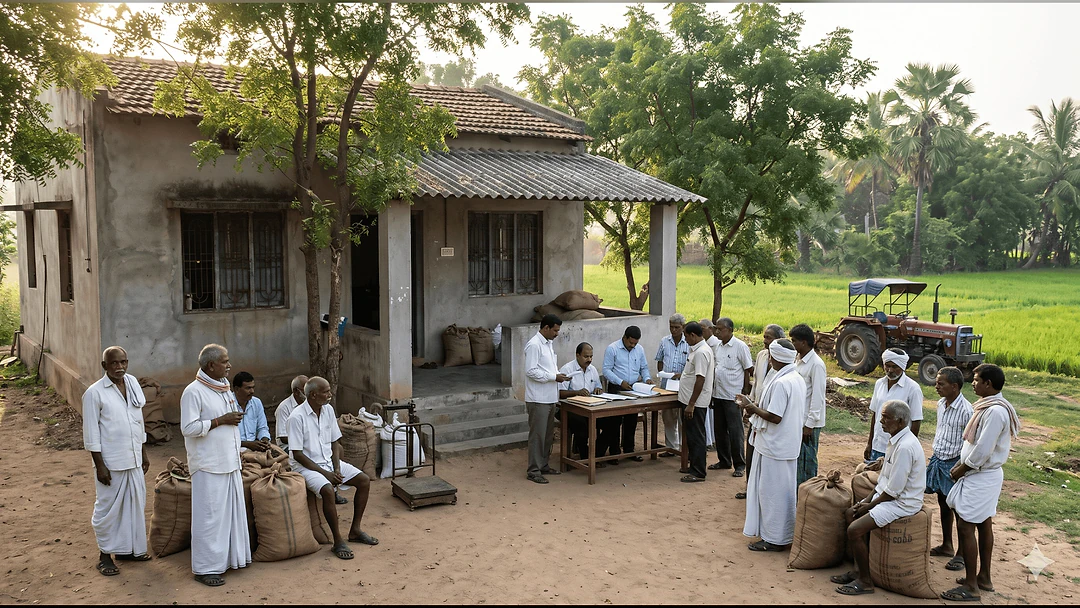
Telangana Government Approves Formation of 240 New PACS across State
Suresh ChinthakayalaAgricultureParvathagiri
Telangana Ranks First in Oil Palm Cultivation with 21 Percent Share Nationwide
Ramakrishna GundemeniAgricultureUppunuthala
Paddy Procurement Centres Opened in Ananthasagaram and Jayagiri
Suresh ChinthakayalaAgricultureParvathagiri

We Will Block AP's Water Plunder: Telangana Minister Uttam Kumar Reddy
Shiaik Mohammed RafeeAgricultureHuzurnagar
Hindu Population in India to Reach 129 Crore by 2070: Study
Agriculture
Reduce Paddy Cultivation in Yasangi, Grow Irrigated Dry Crops: Warangal Agriculture Offici
Suresh ChinthakayalaAgricultureParvathagiri
Telangana Government Approves Formation of 240 New PACS across State
Suresh ChinthakayalaAgricultureParvathagiri
Latest news
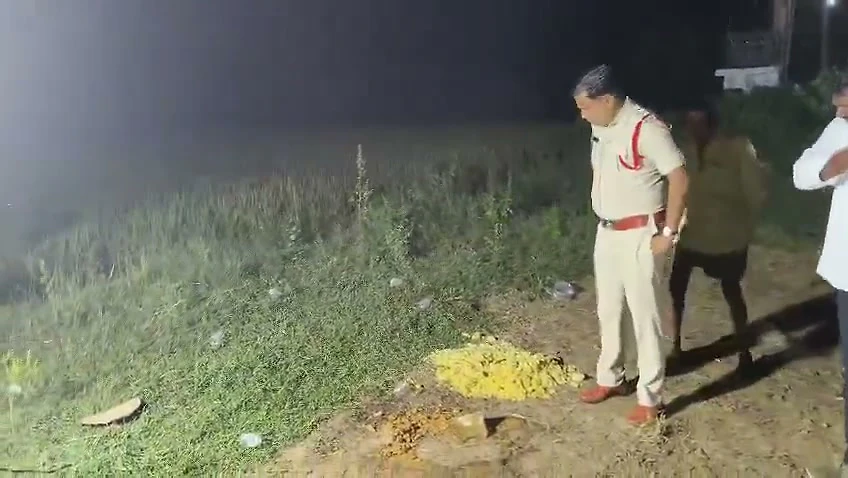
- Tension in Mukkampadu as Man Destroys YSRCP Lunch Event Food; Police Detain Suspect
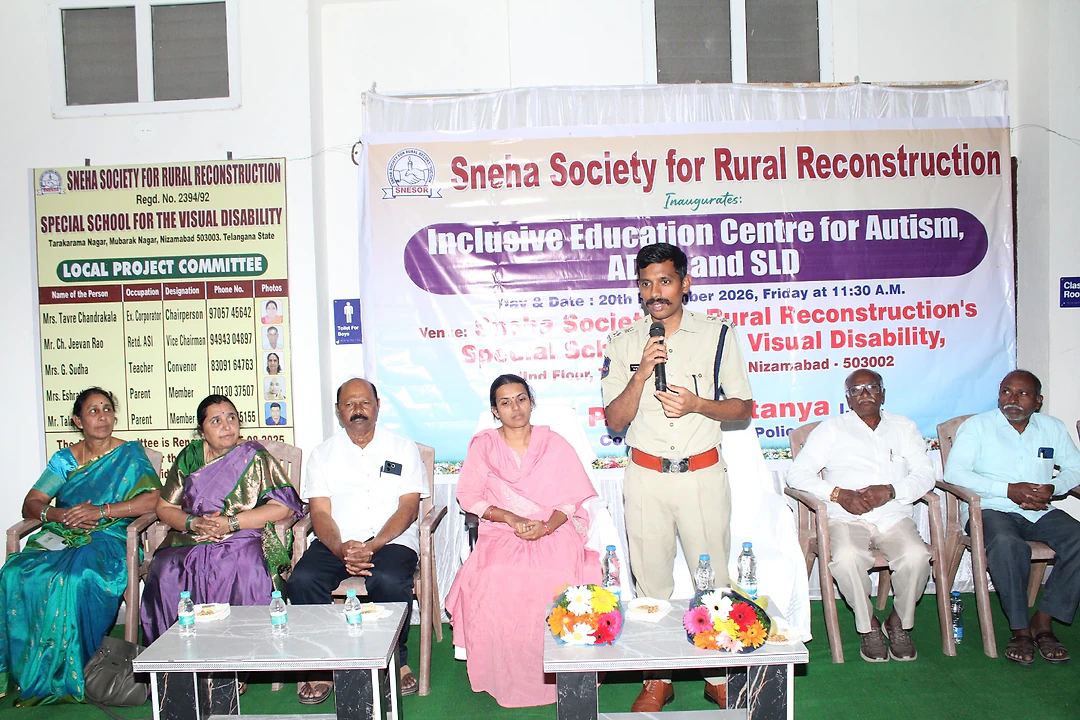
- Inclusive Education Centre for Persons with Disabilities Inaugurated in Nizamabad
- Standard iPhone 18 Launch Delayed to March 2027, Price May Touch Rs 1 Lakh

- Daily Panchangam Details for Sunday, November 22

- TG SAFE Suspends Licenses of Four Hyderabad Hotels Over Unhygienic Conditions

- Gold Worth Rs 1.37 Crore Seized at Shamshabad Airport

Most read
- 1Rashtriya Hindu Parishad Demands Reopening of Closed Temple in Hanumakonda
- 2Theft at Gauramma Temple in Narsipuram Colony, Property Worth Rs 50,000 Stolen
- 3Devarakonda MLA Balu Naik Urges DGP CV Anand to Set Up New Police Stations
- 4RTI Service Society Honors State Information Commissioner Deshala Bhupal
- 5CM Revanth Reddy Expresses Concern Over Lok Sabha Delimitation Process