
Pandit Jawaharlal Nehru's Historic Association with Nagarjuna Sagar Project
• 1. Nehru laid the foundation for Nagarjuna Sagar, an indelible mark in the history of Telugu states
• 2. From the first basket of soil to the temple of modern India: The story of Nehru and Nagarjuna Sagar
• 3. Nagarjuna Sagar as a symbol of Nehru's vision: Giving life to irrigation and history
Nagarjuna Sagar, Nipun News:
In the history of India's development, some projects remained not just as structures, but as historic milestones that brought transformation to the lives of crores of people. Nagarjuna Sagar is one such project. India's first Prime Minister Pandit Jawaharlal Nehru had a special bond with this project. Nagarjuna Sagar holds a special place among the mega projects he encouraged keeping in view agricultural development, irrigation facilities, power generation, and the economic progress of the people. On the occasion of Nehru's birth anniversary and Children's Day on November 14, it is appropriate to remember his historic association with Nagarjuna Sagar.
Nehru who lifted the first basket of soil
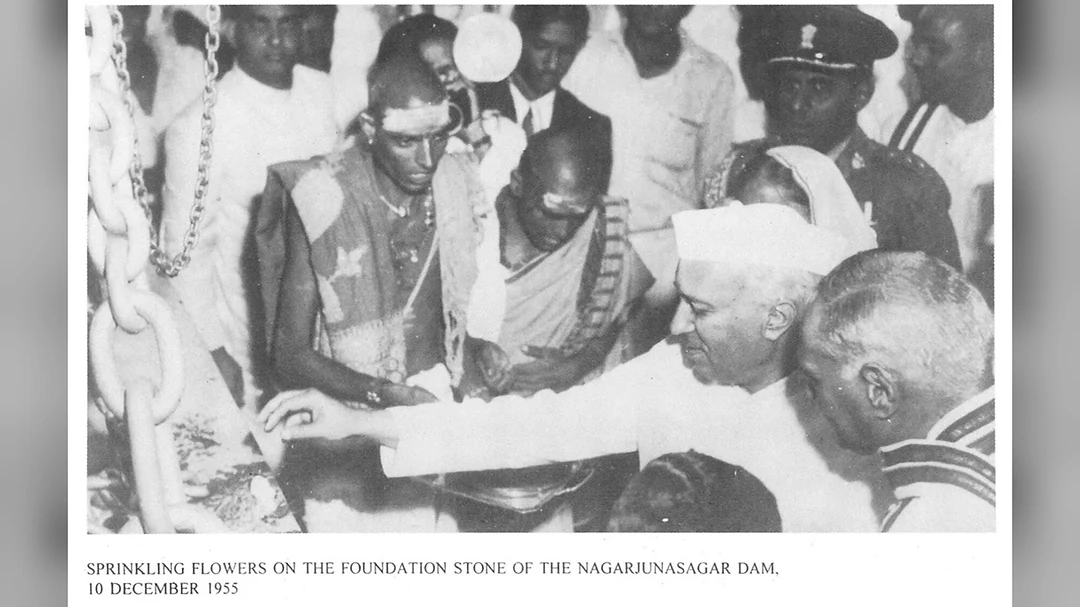
On December 10, 1955, Pandit Jawaharlal Nehru laid the foundation stone for the Nagarjuna Sagar project to be constructed at Nandikonda across the Krishna River. After this event on the Andhra State side, he crossed the Krishna River, went to the Hyderabad State side, and unveiled the pylon constructed there. On this occasion, Nehru himself lifted the first basket of soil and initiated the construction work, as noted by Kuradi Chandrasekhara Kalkura in his historical account.
The account explains that along with him, an elderly worker also lifted the first basket of soil. Speaking to Nehru at that time, the worker reportedly said, 'This is the alms you have given us.' The author explained that the then Chief Minister Neelam Sanjiva Reddy wrote these words on a piece of paper and handed it to Nehru. Later, while recalling the worker's words at a public meeting in Guntur, Nehru became emotional, according to the narrative.
Described as a temple of modern India
Nehru believed that major river projects, dams, and industries in India were like temples for the country's development. During the foundation stone laying of Nagarjuna Sagar as well, he described the project as a sacred program dedicated to human welfare.
In his speech, he explained that through the construction of Nagarjuna Sagar, poverty, unemployment, and agricultural problems could be reduced, creating development opportunities for the people. He stated that the major river projects being constructed in various parts of the country were symbols of collective effort and national development.
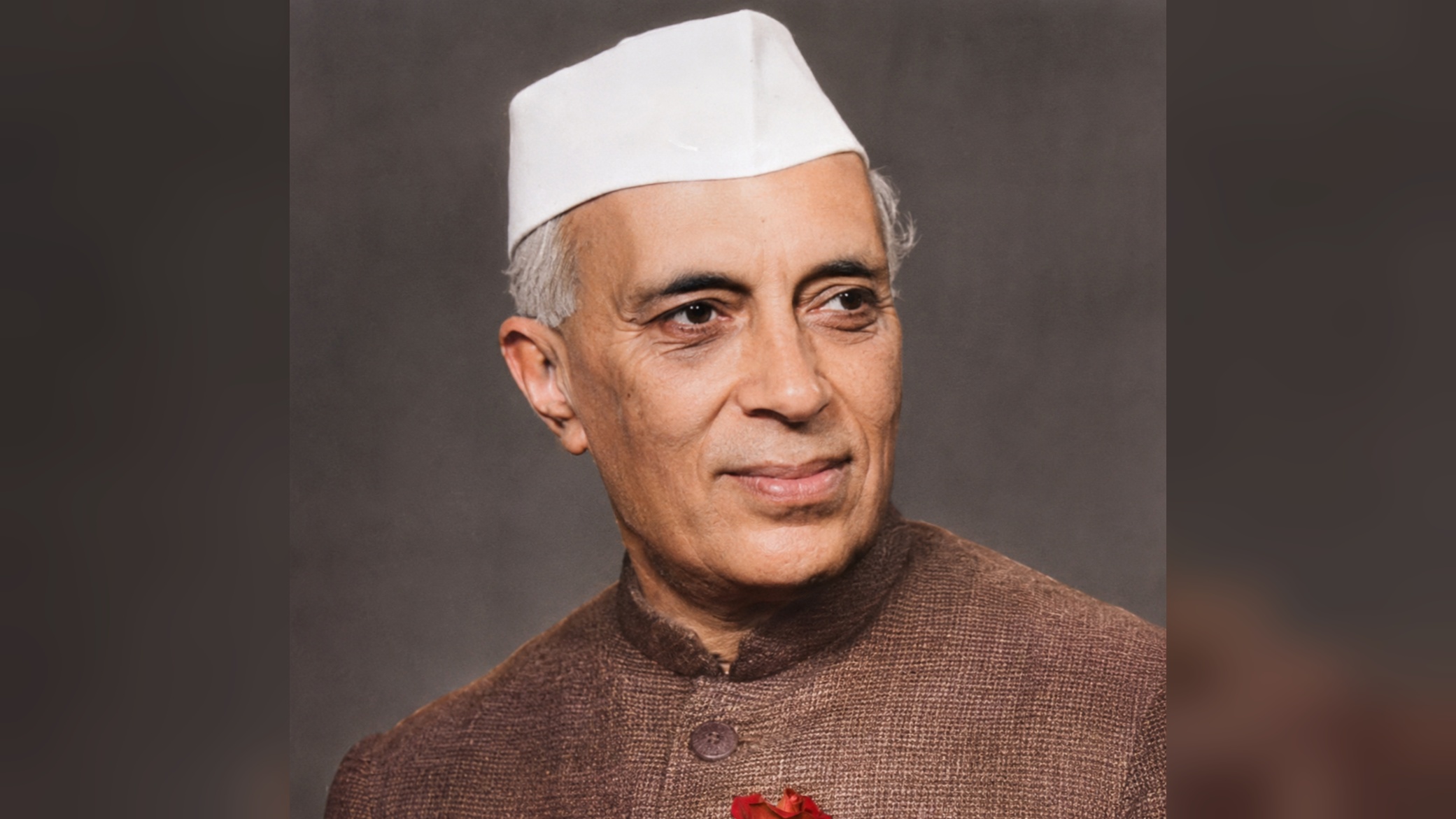
Nehru who saved the historical heritage of Nagarjunasakonda
On the other hand, due to the construction of the Nagarjuna Sagar project, the Nagarjunakonda region, which was the abode of an ancient civilization, faced the threat of being submerged in the reservoir. This region was famous for the history of the Ikshvaku dynasty and ancient Buddhist culture. Buddhist structures, stupas, sculptures, and ancient constructions belonging to the 2nd and 3rd centuries came to light here.
Nehru expressed concern over the submergence of this historical heritage in water. After laying the foundation stone for the project on December 10, 1955, he visited the Nagarjunakonda excavation site. He inspected the ancient structures there and suggested taking measures to protect them.
On February 24, 1956, he suggested building a special museum to preserve the ancient artifacts and moving important structures to a higher location to reconstruct them. In an official note written on January 8, 1957, he clarified that as many structures as possible should be shifted and the old city should be rebuilt as far as possible.
Speaking on the issue of Nagarjunakonda preservation in the Rajya Sabha on March 22, 1957, he explained that the opportunity to benefit lakhs of people through a major irrigation project could not be foregone, and at the same time, ancient heritage should not be neglected either. He expressed his view that using available engineering possibilities, important structures should be dismantled and rebuilt at a higher location.
Today's Nagarjunakonda Museum and the ancient structures reconstructed there stand as testimony to those efforts.
Efforts of multiple governments behind Nandikonda project
Historically, several governments played a role in the design, planning, and permissions of the Nagarjuna Sagar project. Along with the government of Hyderabad State, the then Andhra State government, the Central Government, and the Planning Commission became partners in shaping this project.
In February 1955, the Planning Commission examined the plan related to the Nandikonda project and agreed to take it forward. In June of the same year, the Nagarjuna Sagar Control Board was set up with representatives from the Central, Andhra, and Hyderabad governments. After receiving permissions for preliminary construction work, Nehru laid the foundation stone on December 10.
Historical accounts also mention the efforts of leaders like the then first Chief Minister of Andhra State Tanguturi Prakasam Pantulu's government, Neelam Sanjiva Reddy, and Tenneti Viswanatham. Representatives of the Hyderabad government also participated in discussions regarding the project plan. Therefore, without limiting the construction of Nagarjuna Sagar to a single government or a single leader, there is a need to recognize the role of everyone who worked at various stages.
Construction of Nagarjuna Sagar: Another development milestone for the country
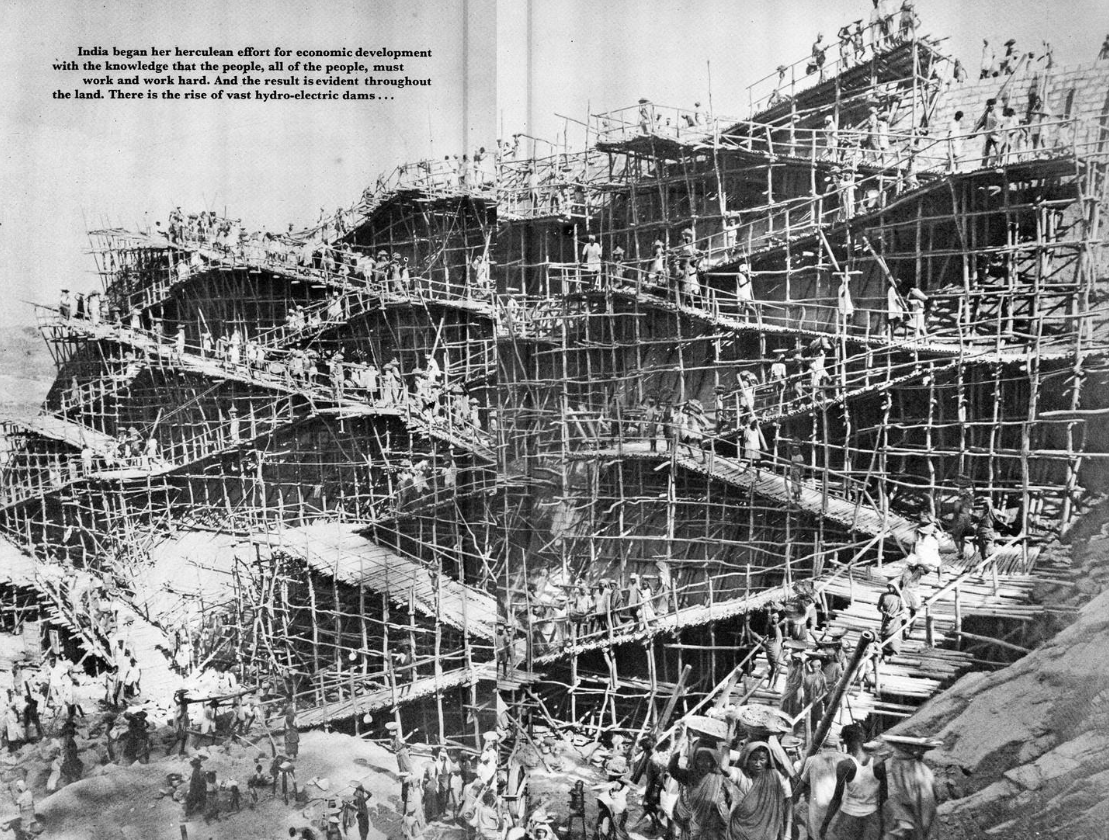
After the foundation stone was laid in 1955, project construction work continued for several years. Tasks like constructing a massive masonry dam, canal system, and setting up power generation units were completed through the efforts of thousands of workers, engineers, and technical experts.
On August 4, 1967, the then Prime Minister Indira Gandhi released water into the Nagarjuna Sagar canals. With this, irrigation benefits became available through this project.
This project provides irrigation water to many areas in Telangana and Andhra Pradesh states. It became crucial for agricultural development in Guntur, Palnadu, Prakasam, and other regions in Andhra Pradesh, alongside Nalgonda and Khammam regions. Nagarjuna Sagar contributed to paddy cultivation, production of other crops, growth of agro-based industries, and increase in employment opportunities.
The importance of Nagarjuna Sagar water must be specially recognized in the development of rice mills and the expansion of agriculture-based economic activities in the Miryalaguda region. Similarly, this project is also used for the drinking water needs of many areas, including Guntur city.
Message to remember on Nehru's birth anniversary
Nehru's birth anniversary on November 14 is celebrated as Children's Day across the country. His love for children and his interest in education, knowledge, and scientific thinking brought uniqueness to this day. Believing that the country's future lay in the hands of children, Nehru worked with the goal of providing them quality education, equal opportunities, and a developed India.
Major projects like Nagarjuna Sagar stood as symbols of his developmental thinking. While providing water resources and agricultural development for future generations on one hand, his efforts to preserve traces of ancient civilization on the other hand made his historic role even more special.
Examining the history of the Nagarjuna Sagar project reveals not just the effort of one individual, but the collective hard work of many leaders, officials, workers, and engineers. It is the responsibility of all of us to pass on this historical legacy to future generations.
This journey from the Nandikonda area, where Nehru laid the foundation stone, to today's Nagarjuna Sagar will remain eternal in the development history of the two Telugu states.
ఆధారం: Prabhakar Ch
Written with AI assistance from our reporter’s notes, then checked and published by an editor.
Related stories
EC Releases Revised Schedule for Voter List Revision
 Raghavandra kagithaChintalapudi
Protect Children's Rights: Nirmal Collector Bhavesh Mishra
 S Rajeshwar RaoNirmal Urban
NovoEarth Uses Chicken Feathers to Produce Biodegradable Plastic
Raghavandra kagithaChintalapudi
 📷 2
Chandrababu Naidu Issues Key Directives for 2027 Godavari Pushkaralu
 SRINIVAS GBhimavaram

Mafia Don Arrested in Mexico
Raghavandra kagithaChintalapudi
Mudiraj Community Must Be Categorised as BC-A: PAC Chairman Naresh Mudiraj
 ప్రసాద్ గుమ్మడిPeddapalli
EC Releases Revised Schedule for Voter List Revision
Raghavandra kagithaChintalapudi
Protect Children's Rights: Nirmal Collector Bhavesh Mishra
S Rajeshwar RaoNirmal Urban
NovoEarth Uses Chicken Feathers to Produce Biodegradable Plastic
Raghavandra kagithaChintalapudi
Chandrababu Naidu Issues Key Directives for 2027 Godavari Pushkaralu
SRINIVAS GBhimavaram
Mafia Don Arrested in Mexico
Raghavandra kagithaChintalapudi
Mudiraj Community Must Be Categorised as BC-A: PAC Chairman Naresh Mudiraj
ప్రసాద్ గుమ్మడిPeddapalli
Latest news
- Tension in Mukkampadu as Man Destroys YSRCP Lunch Event Food; Police Detain Suspect
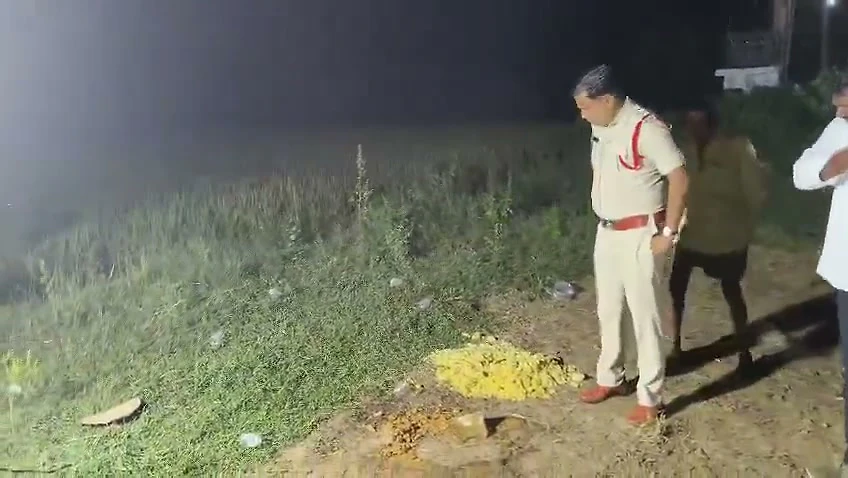
- Inclusive Education Centre for Persons with Disabilities Inaugurated in Nizamabad
- Standard iPhone 18 Launch Delayed to March 2027, Price May Touch Rs 1 Lakh

- Daily Panchangam Details for Sunday, November 22

- TG SAFE Suspends Licenses of Four Hyderabad Hotels Over Unhygienic Conditions

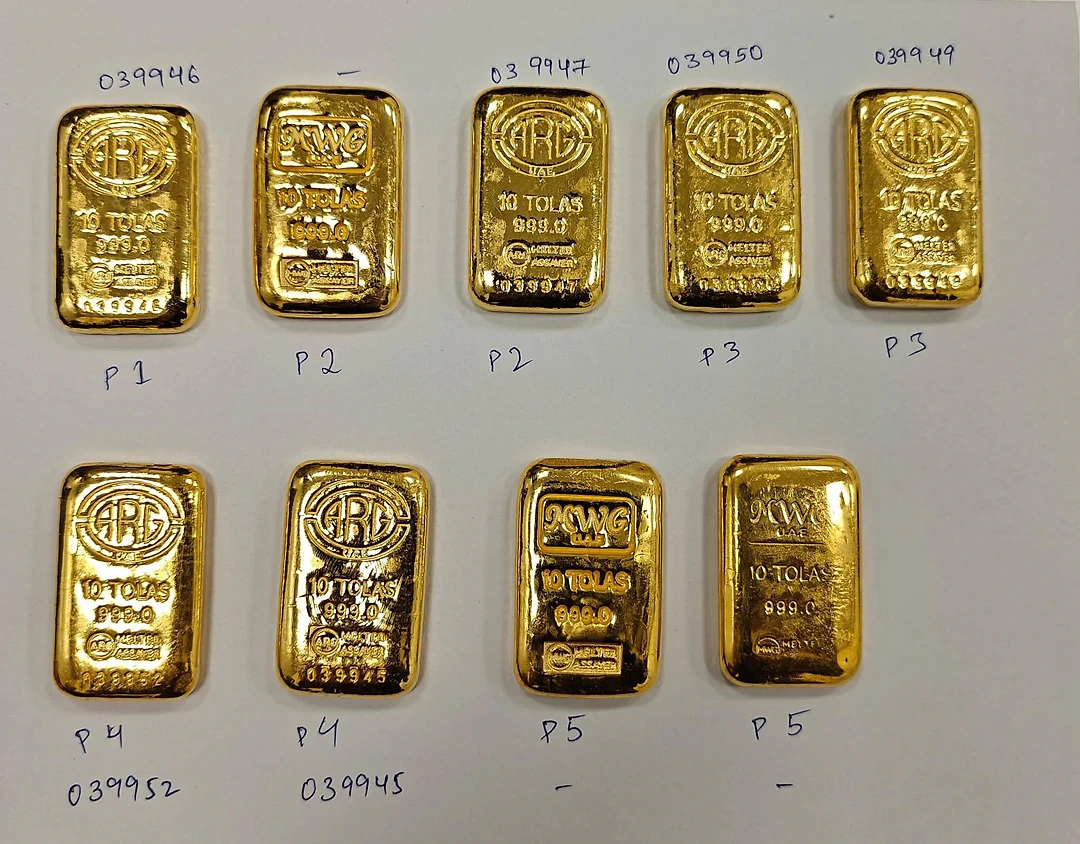
- Gold Worth Rs 1.37 Crore Seized at Shamshabad Airport
Most read
- 1Rashtriya Hindu Parishad Demands Reopening of Closed Temple in Hanumakonda
- 2Theft at Gauramma Temple in Narsipuram Colony, Property Worth Rs 50,000 Stolen
- 3Devarakonda MLA Balu Naik Urges DGP CV Anand to Set Up New Police Stations
- 4RTI Service Society Honors State Information Commissioner Deshala Bhupal
- 5CM Revanth Reddy Expresses Concern Over Lok Sabha Delimitation Process